How to catch Greater weever
Trachinus draco Linnaeus, 1758
About Greater weever fishing
The greater weever is an elongated, benthic marine fish belonging to the family Trachinidae, growing up to 53 centimetres in maximum length. It features a compressed body, an upturned mouth, and venomous spines situated on its first dorsal fin and gill covers. Inhabiting sandy, muddy, and gravelly grounds from shallow coastal waters down to 150 metres, it spends daylight hours buried in the sediment with only its eyes and dorsal tip exposed. It functions as an opportunistic ambush predator feeding on small fish and benthic invertebrates, turning more active and pelagic during the night. While valued as a game fish by coastal anglers, caution is required due to its potent venom.
-
Difficulty
Medium
-
Average size
25 cm SL
-
Market value
Low
-
Habitat
Saltwater
-
Season
Spring, Summer, Autumn
-
Also known as
Greater weaver, Greater weever fish

Caudal shape
More or less truncate tail fin shape characteristic of the weever.
Yellowish-white stripes
Yellowish-white oblique stripes pattern the upper greenish body.
Spines in front of eye
Small spines placed in front of each eye identify this dangerous weever.
Greater weever fishing facts
Characteristics
-
Typical size
25 cm SL (max 53 cm TL ) -
Typical weight
0.4 kg (max 1.9 kg ) -
Preferred temperature
8.7–18.7 °C -
Depth
1–150 m -
Body shape
Elongated -
Commercial?
-
Vulnerability score
54.8
Best hours
-
Low
Dawn
First light
-
Active
Morning
After sunrise
-
Low
Midday
High sun
-
Active
Afternoon
Late day
-
Peak
Dusk
Last light
-
Peak
Night
After dark
When to fish for Greater weever
How to catch Greater weever
Tips for catching Greater weever
Anglers target the greaterweever primarily over clean sandy or fine gravel bottoms where the species lies buried during daylight hours. Bottom fishing with sliding ledger rigs or surfcasting close to the shore yields the best results when presented with fresh marine worm baits or small strips of fish. Because these fish hunt actively at night and transition into freer swimming behaviors, evening and dusk sessions often produce higher catch rates. Caution must be exercised when handling landed specimens to avoid severe stings from the venomous opercular and dorsal spines.
Other names for Greater weever
Local and alternate names anglers use for Greater weever.
-
Greater weever
-
Greater weever fish
-
Greater weaver
Best equipment to catch Greater weever
Compare fishing methods for Greater weever — sized kit for each technique.
Note: Typical fish is 0.4 kg Our algorithm will suggest the best equipment for you based on this weight.
Bottom Fishing
Presenting bait or rigs on or near the lake or sea floor.
85% Effectiveness

Rod
Spinning rod
A spinning rod is a fishing rod built to carry a spinning reel under the blank. You cast lures and light baits with it from shore or a boat.
Sized for a typical fish
ultralight · 1.8 m
- Reel seat
- Spinning
- Form factor
- Multi-piece
- Action
- Fast
- Grip
- EVA

Reel
Spinning reel
A spinning reel hangs under the fishing rod and is the default reel for casting lures and light baits. Line peels off an open spool with a bail.
Sized for a typical fish
1000 · 3 kg drag · 185 g
- Spool
- Fixed
- Mount
- Under
- Drag
- Front
- Retrieve
- Manual

Line
Monofilament line
Monofilament fishing line is the everyday main line: easy to knot, cheap to replace, and stretchy enough to forgive a hard strike.
Sized for a typical fish
1.3 kg · 0.125 mm
- Visibility
- Medium
- Abrasion
- Medium
- Stretch
- High
- Sink rate
- Slow

Leader
Fluorocarbon leader
A fluorocarbon leader is the clear, fast-sinking join between a visible main line and the lure or hook.
Sized for a typical fish
4 kg · 0.2 mm · 80 cm
- Visibility
- Very low
- Abrasion
- High
- Stretch
- Low
- Sink rate
- Fast

Hook
Circle hook
A circle hook turns in the mouth and usually finds the corner of the jaw. You do not strike hard — you come tight. It includes freshwater.
Sized for a typical fish
4
- Points
- 1
- Offset
- No
- Barbed
- Yes
- Gap
- Standard
Surfcasting
Long-range bait or lure casting from an open beach or surf.
75% Effectiveness
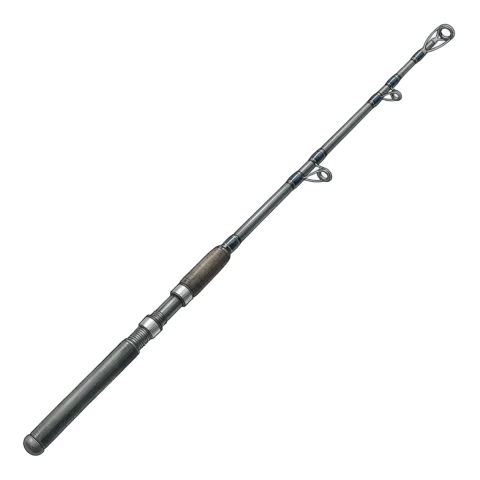
Rod
Surfcasting rod
A surfcasting rod is the long beach fishing rod for punching bait past the breakers. Length and a moderate-fast action load for distance.
Sized for a typical fish
medium-heavy · 3.6 m
- Reel seat
- Spinning
- Form factor
- Multi-piece
- Action
- Moderate-fast
- Grip
- EVA
Reel
Spinning reel
A spinning reel hangs under the fishing rod and is the default reel for casting lures and light baits. Line peels off an open spool with a bail.
Sized for a typical fish
1000 · 3 kg drag · 185 g
- Spool
- Fixed
- Mount
- Under
- Drag
- Front
- Retrieve
- Manual

Line
Braided line
Braided fishing line is the thin, no-stretch main for long casts, jigging, and feeling every tick on the retrieve.
Sized for a typical fish
6 kg · 0.1 mm
- Visibility
- High
- Abrasion
- Low
- Stretch
- None
- Sink rate
- Floats
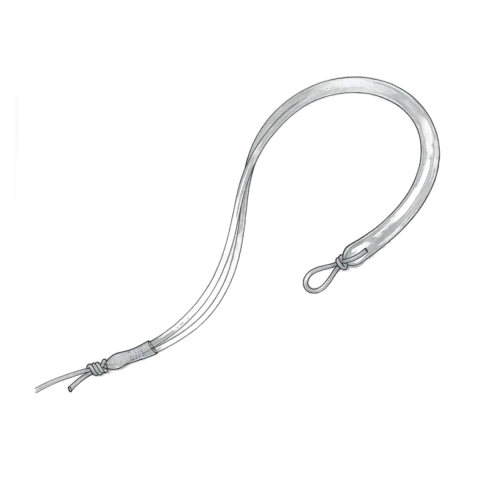
Leader
Shock leader
A shock leader is a thick mono or tapered section that takes the cast. Carp shock is heavy (around 0.65 to 0.75 mm), not thin fluorocarbon.
Sized for a typical fish
22.5 kg · 0.65 mm · 900 cm
- Visibility
- Medium
- Abrasion
- High
- Stretch
- High
- Sink rate
- Slow
Best lures and baits for Greater weever
Ranked lures and natural baits from every method, best first.
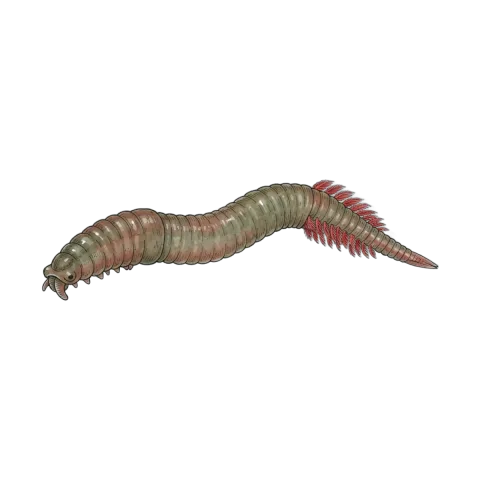
01
Lugworm
- Bottom Fishing
- Surfcasting
Fleshy, segmented body provides substantial scent and natural appeal for bottom fish.
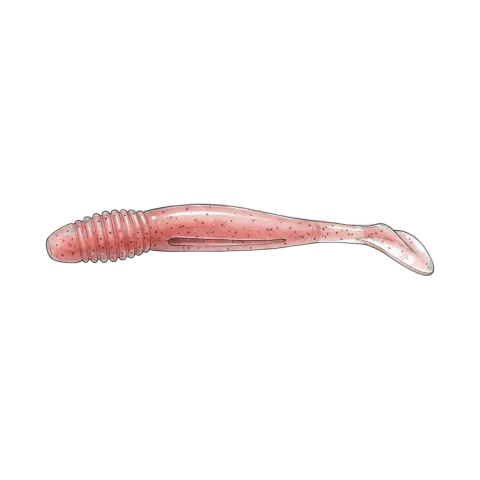
02
Soft worm
- Bottom Fishing
A long soft worm for Texas, wacky, and ned-style spinning.
03
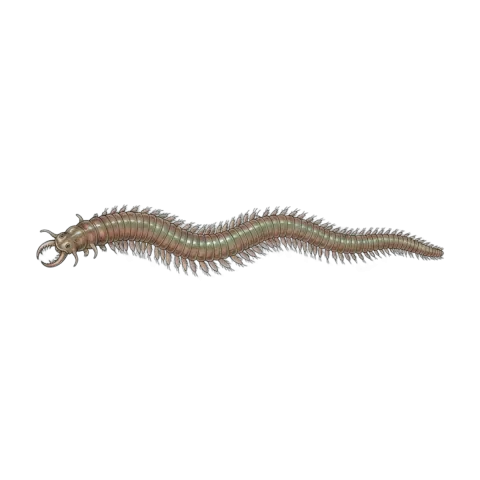
Sandworm
- Bottom Fishing
Distinct head region features prominent jaws used for live baiting presentations.
05
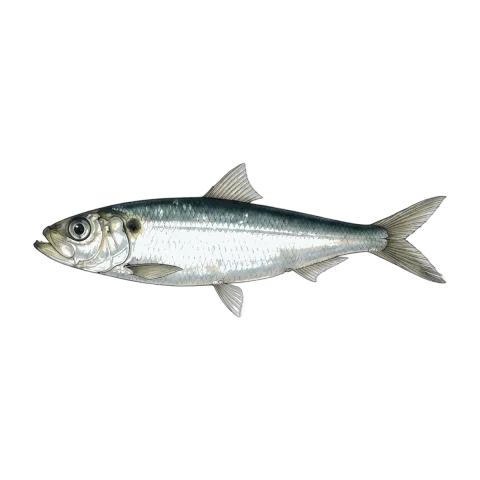
Sardine
- Surfcasting
Elongated silvery baitfish body releases strong scent trails.
Diet and behavior of Greater weever
-
Diet
Carnivore -
Feeds by
Hunts animals -
Hunts
Dusk · Night
Where Greater weever lives
Lives on or just above the bottom. Work jigs, bait, and lures along the seabed.
1–150 m · usually 1–30 m

Where this species lives
Greater weever photos for identification
Compare these photos with the catalog plate to identify the species.
Where to fish for Greater weever
Mapped fishing spots where Greater weever is recorded — open a pin for access and methods.


