How to catch Redbreast tilapia
Coptodon rendalli (Boulenger, 1897)
About Redbreast tilapia fishing
The redbreast tilapia is a medium-sized freshwater and brackish fish belonging to the cichlid family, featuring a deep, high-backed body with a steep head profile and a distinct greenish coloration often complemented by a reddish belly. Adults typically inhabit quiet, shallow, and well-vegetated marginal waters, backwaters, and swamps at depths ranging between three and eight metres. Operating primarily during daylight hours, this species feeds extensively on aquatic macrophytes, filamentous algae, and small benthic invertebrates, forming schools and engaging in substrate-spawning behaviour where pairs meticulously guard their nests. Anglers value this hardy fish for its spirited fight on light tackle and its excellent table qualities.
-
Difficulty
Medium
-
Average size
30 cm
-
Habitat
Freshwater, Brackish
-
Season
Spring, Summer, Autumn
-
Also known as
Blue tilapia, Congo perch, Congo tilapia, Northern redbreast bream, Redbreasted bream, Red-breasted bream

Vertical bars
Distinct vertical bars mark the flanks.
Caudal shape
Truncate caudal fin shape.
Mouth position
Terminal mouth typical of this cichlid species.
Redbreast tilapia fishing facts
Characteristics
-
Typical size
30 cm (max 45 cm TL ) -
Typical weight
0.5 kg (max 2.5 kg ) -
Depth
3–8 m -
Longevity
7 years -
Body shape
Fusiform / Normal -
Vulnerability score
27
Best hours
-
Low
Dawn
First light
-
Peak
Morning
After sunrise
-
Active
Midday
High sun
-
Peak
Afternoon
Late day
-
Low
Dusk
Last light
-
Low
Night
After dark
When to fish for Redbreast tilapia
How to catch Redbreast tilapia
Tips for catching Redbreast tilapia
Targeting this herbivorous cichlid requires light, sensitive tackle because of its cautious nature and sharp eyesight. Focus your efforts in shallow, slow-moving marginal zones near dense aquatic vegetation and weed beds where these fish graze during the warmest daylight hours. Float fishing with small offerings of soft bread or sweetcorn suspended just off the bottom yields consistent results, as the presentation mimics natural drifting plant matter. Alternatively, ledgering with small earthworm baits or flicking tiny micro spinners close to structure can trigger aggressive strikes, particularly when fish are defending their spawning territories.
Other names for Redbreast tilapia
Local and alternate names anglers use for Redbreast tilapia.
-
Redbreasted bream
-
Redbreast tilapia
-
Red-breasted tilapia
-
Congo perch
-
Northern redbreast bream
-
Congo tilapia
-
Red-breasted bream
-
Rendall's redbreast tilapia
-
Blue tilapia
Best equipment to catch Redbreast tilapia
Compare fishing methods for Redbreast tilapia — sized kit for each technique.
Note: Typical fish is 0.5 kg Our algorithm will suggest the best equipment for you based on this weight.
Float Fishing
Suspending bait beneath a float at a controlled depth.
85% Effectiveness
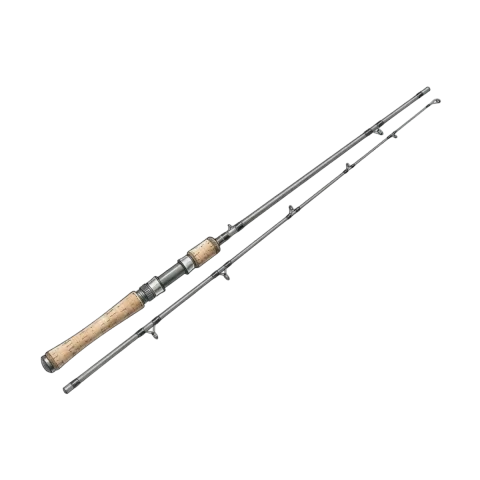
Rod
Float rod
A float rod is the all-round fishing rod for a float in rivers and still water, a step down in length from match.
Sized for a typical fish
light · 3.6 m
- Reel seat
- Spinning
- Form factor
- Multi-piece
- Action
- Moderate
- Grip
- Cork

Reel
Spinning reel
A spinning reel hangs under the fishing rod and is the default reel for casting lures and light baits. Line peels off an open spool with a bail.
Sized for a typical fish
1000 · 3 kg drag · 185 g
- Spool
- Fixed
- Mount
- Under
- Drag
- Front
- Retrieve
- Manual

Line
Monofilament line
Monofilament fishing line is the everyday main line: easy to knot, cheap to replace, and stretchy enough to forgive a hard strike.
Sized for a typical fish
2.5 kg · 0.16 mm
- Visibility
- Medium
- Abrasion
- Medium
- Stretch
- High
- Sink rate
- Slow
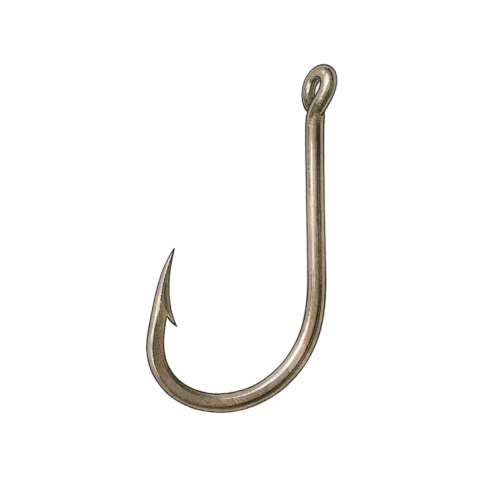
Hook
J-hook
A J-hook is the classic J-bend fishing hook for bait. You set it with a strike. Sizes are tokens such as 12 or 1/0.
Sized for a typical fish
8
- Points
- 1
- Offset
- No
- Barbed
- Yes
- Gap
- Standard
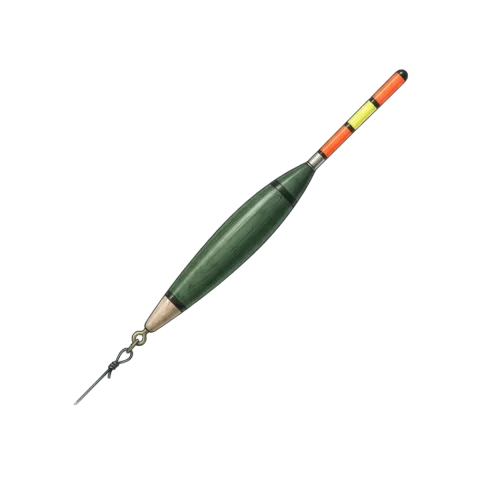
Float
Waggler
A waggler is a bottom-only attachment float for stillwaters and slow rivers. You shot it down and watch the antenna.
Sized for a typical fish
4 g
- Attachment
- Fixed
- Habitats
- Freshwater
- Methods
- Float Fishing
Bottom Fishing
Presenting bait or rigs on or near the lake or sea floor.
65% Effectiveness

Rod
Spinning rod
A spinning rod is a fishing rod built to carry a spinning reel under the blank. You cast lures and light baits with it from shore or a boat.
Sized for a typical fish
light · 2.1 m
- Reel seat
- Spinning
- Form factor
- Multi-piece
- Action
- Fast
- Grip
- EVA
Reel
Spinning reel
A spinning reel hangs under the fishing rod and is the default reel for casting lures and light baits. Line peels off an open spool with a bail.
Sized for a typical fish
1000 · 3 kg drag · 185 g
- Spool
- Fixed
- Mount
- Under
- Drag
- Front
- Retrieve
- Manual
Line
Monofilament line
Monofilament fishing line is the everyday main line: easy to knot, cheap to replace, and stretchy enough to forgive a hard strike.
Sized for a typical fish
2.5 kg · 0.16 mm
- Visibility
- Medium
- Abrasion
- Medium
- Stretch
- High
- Sink rate
- Slow

Leader
Fluorocarbon leader
A fluorocarbon leader is the clear, fast-sinking join between a visible main line and the lure or hook.
Sized for a typical fish
4 kg · 0.2 mm · 80 cm
- Visibility
- Very low
- Abrasion
- High
- Stretch
- Low
- Sink rate
- Fast

Hook
Circle hook
A circle hook turns in the mouth and usually finds the corner of the jaw. You do not strike hard — you come tight. It includes freshwater.
Sized for a typical fish
4
- Points
- 1
- Offset
- No
- Barbed
- Yes
- Gap
- Standard
Spinning
Casting and retrieving lures with a spinning rod and reel.
40% Effectiveness
Rod
Spinning rod
A spinning rod is a fishing rod built to carry a spinning reel under the blank. You cast lures and light baits with it from shore or a boat.
Sized for a typical fish
light · 2.1 m
- Reel seat
- Spinning
- Form factor
- Multi-piece
- Action
- Fast
- Grip
- EVA
Reel
Spinning reel
A spinning reel hangs under the fishing rod and is the default reel for casting lures and light baits. Line peels off an open spool with a bail.
Sized for a typical fish
1000 · 3 kg drag · 185 g
- Spool
- Fixed
- Mount
- Under
- Drag
- Front
- Retrieve
- Manual

Line
Braided line
Braided fishing line is the thin, no-stretch main for long casts, jigging, and feeling every tick on the retrieve.
Sized for a typical fish
6 kg · 0.1 mm
- Visibility
- High
- Abrasion
- Low
- Stretch
- None
- Sink rate
- Floats
Leader
Fluorocarbon leader
A fluorocarbon leader is the clear, fast-sinking join between a visible main line and the lure or hook.
Sized for a typical fish
7 kg · 0.3 mm · 90 cm
- Visibility
- Very low
- Abrasion
- High
- Stretch
- Low
- Sink rate
- Fast
Best lures and baits for Redbreast tilapia
Ranked lures and natural baits from every method, best first.
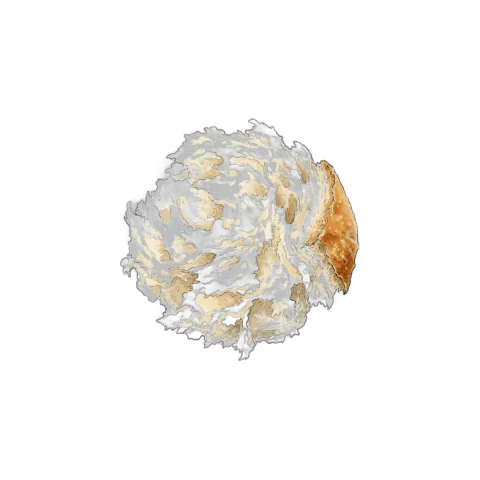
01
Bread
- Float Fishing
Soft inner bread compressed onto the hook for surface feeding.
02
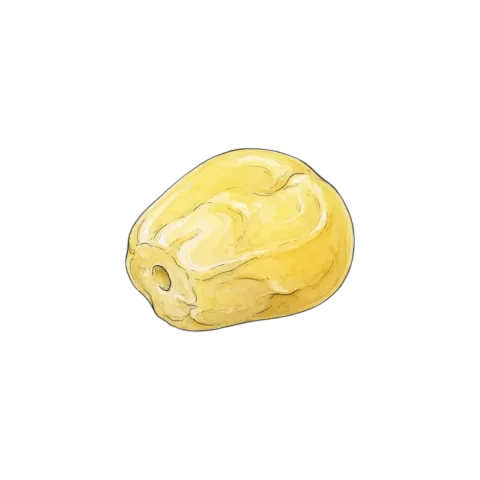
Corn
- Float Fishing
Plump yellow sweetcorn kernel used as effective freshwater fishing bait.
03
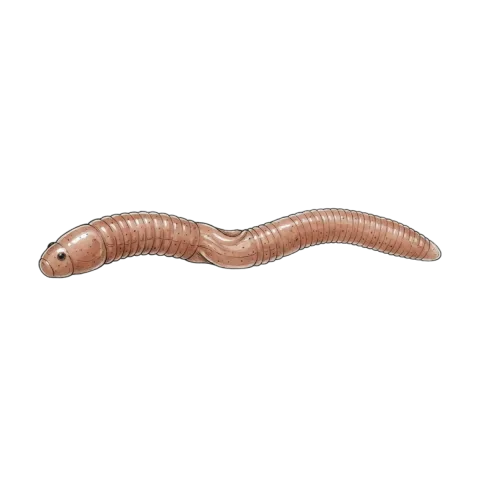
Worm
- Bottom Fishing
Rounded anterior end containing the mouth used for anchoring the bait on the hook.
04
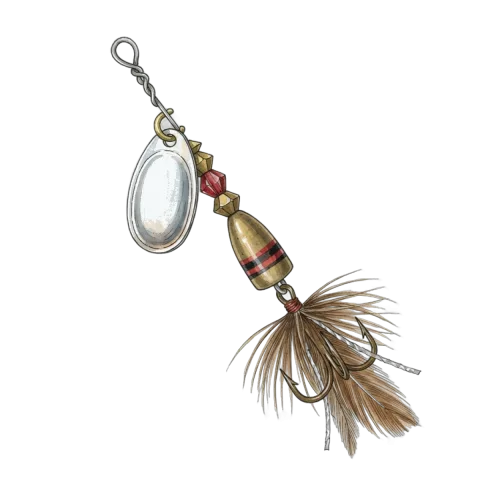
Inline spinner
- Spinning
An inline spinner with a blade that flashes on a straight retrieve.
05
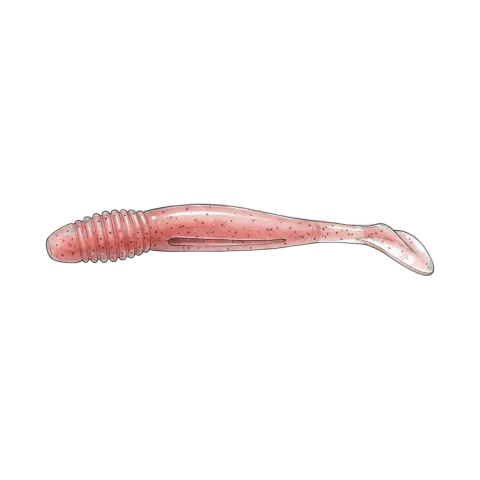
Soft worm
- Spinning
A long soft worm for Texas, wacky, and ned-style spinning.
Where Redbreast tilapia spends the year — Non-migratory
Stays in the same waters year-round. Look for it on the same grounds rather than timing a run.
1 Eggs
Same water all year
Laid on the home grounds.
2 Juveniles
Same water all year
Grow up close by.
3 Adults
Same water all year
Keep to a small home range.
4 Spawners
Same water all year
Spawn on the same grounds, with only short moves.
Hover or tap a number to read each stage.
Diet and behavior of Redbreast tilapia
-
Diet
Omnivore -
Feeds by
Grazes plants -
Hunts
Morning · Afternoon -
Feeds over
Mangroves
Prey and predators of Redbreast tilapia
Prey is what Redbreast tilapia eats. Predators are the animals that eat it.
That is how it feeds, and how it is hunted.
Prey
What it eats
Other prey
Predators
What hunts it
Fish
Where Redbreast tilapia lives
Lives near the bottom but swims in the water just above it. Cover the lower column, not only the mud.
3–8 m

Where this species lives
Redbreast tilapia photos for identification
Compare these photos with the catalog plate to identify the species.
Where to fish for Redbreast tilapia
Mapped fishing spots where Redbreast tilapia is recorded — open a pin for access and methods.


