How to catch Serpent eel
Ophisurus serpens (Linnaeus, 1758)
About Serpent eel fishing
The serpent eel belongs to the family Ophichthidae and features an extremely elongated, snake-like body with a tapering snout, small pectoral fins, and no caudal fin. Its colouration is typically olive green to brown above with a paler belly and distinctive dark head pores. Growing to substantial lengths, it inhabits brackish and marine waters down to three hundred metres, residing over soft sandy and muddy bottoms of the continental shelf. By day, it remains buried tail-first in the sediment with only its head exposed, emerging at night to hunt crustaceans and small fish. While rarely targeted commercially as a primary catch, it presents an unusual challenge for specialized nocturnal anglers.
-
Difficulty
Medium
-
Average size
100 cm TL
-
Habitat
Brackish, Saltwater
-
Season
Spring, Summer, Autumn
-
Also known as
Eel, Giant snake eel, Sand snake eel, Sand snake-eel, Snake eel, Snipe eel

Olive green body
Body olive green to brown above and paler below.
Black head pores
Distinct black head pores visible along the lateral line and snout.
Serpent eel fishing facts
Characteristics
-
Typical size
100 cm TL (max 250 cm TL ) -
Typical weight
1.5 kg (max 9.1 kg ) -
Preferred temperature
13.4–27.4 °C -
Depth
1–300 m -
Body shape
Eel Like -
Vulnerability score
76.5
Best hours
-
Low
Dawn
First light
-
Low
Morning
After sunrise
-
Low
Midday
High sun
-
Low
Afternoon
Late day
-
Active
Dusk
Last light
-
Peak
Night
After dark
When to fish for Serpent eel
How to catch Serpent eel
Tips for catching Serpent eel
Targeting this nocturnal predator requires patience and night-fishing tactics along sandy or muddy coastal stretches where soft sediment prevails. Since the fish spends daylight hours completely buried in the substrate, presentations must coincide with its nocturnal foraging activity using robust tackle equipped with heavy grips to hold bottom in the surf zone. Safe and effective presentations rely on ledgered strips of oily fish or large marine worms fished directly on or near the sea floor. Persistence is key, as these resident eels maintain strict burrow fidelity, requiring anglers to place baits close to known holding areas during the warmer summer and early autumn months.
Other names for Serpent eel
Local and alternate names anglers use for Serpent eel.
-
Serpent eel
-
Snipe eel
-
Snake eel
-
Sand snake-eel
-
Sand snake eel
-
Giant snake eel
-
Eel
Best equipment to catch Serpent eel
Compare fishing methods for Serpent eel — sized kit for each technique.
Note: Typical fish is 1.5 kg Our algorithm will suggest the best equipment for you based on this weight.
Surfcasting
Long-range bait or lure casting from an open beach or surf.
70% Effectiveness
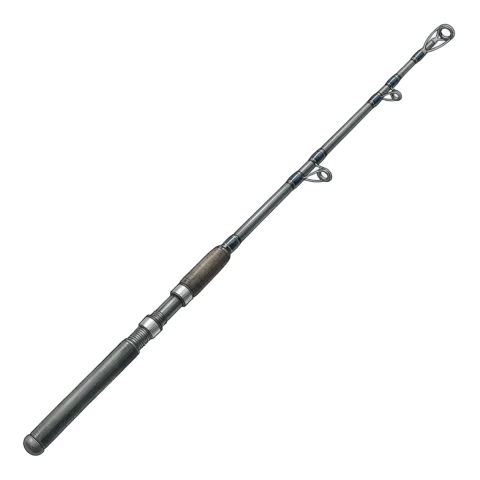
Rod
Surfcasting rod
A surfcasting rod is the long beach fishing rod for punching bait past the breakers. Length and a moderate-fast action load for distance.
Sized for a typical fish
medium-heavy · 3.6 m
- Reel seat
- Spinning
- Form factor
- Multi-piece
- Action
- Moderate-fast
- Grip
- EVA

Reel
Spinning reel
A spinning reel hangs under the fishing rod and is the default reel for casting lures and light baits. Line peels off an open spool with a bail.
Sized for a typical fish
1000 · 3 kg drag · 185 g
- Spool
- Fixed
- Mount
- Under
- Drag
- Front
- Retrieve
- Manual

Line
Braided line
Braided fishing line is the thin, no-stretch main for long casts, jigging, and feeling every tick on the retrieve.
Sized for a typical fish
6 kg · 0.1 mm
- Visibility
- High
- Abrasion
- Low
- Stretch
- None
- Sink rate
- Floats
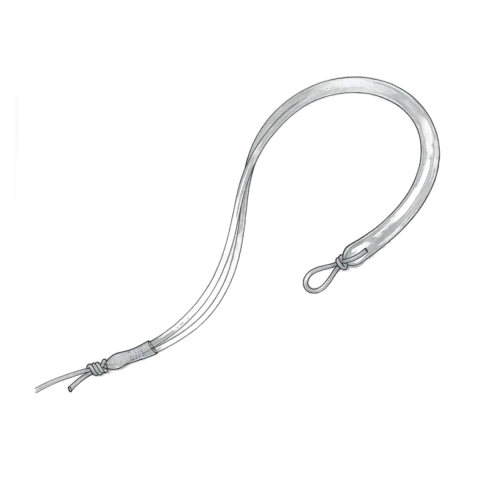
Leader
Shock leader
A shock leader is a thick mono or tapered section that takes the cast. Carp shock is heavy (around 0.65 to 0.75 mm), not thin fluorocarbon.
Sized for a typical fish
22.5 kg · 0.65 mm · 900 cm
- Visibility
- Medium
- Abrasion
- High
- Stretch
- High
- Sink rate
- Slow
Bottom Fishing
Presenting bait or rigs on or near the lake or sea floor.
60% Effectiveness

Rod
Spinning rod
A spinning rod is a fishing rod built to carry a spinning reel under the blank. You cast lures and light baits with it from shore or a boat.
Sized for a typical fish
medium · 2.13 m
- Reel seat
- Spinning
- Form factor
- Multi-piece
- Action
- Fast
- Grip
- EVA
Reel
Spinning reel
A spinning reel hangs under the fishing rod and is the default reel for casting lures and light baits. Line peels off an open spool with a bail.
Sized for a typical fish
1000 · 3 kg drag · 185 g
- Spool
- Fixed
- Mount
- Under
- Drag
- Front
- Retrieve
- Manual

Line
Monofilament line
Monofilament fishing line is the everyday main line: easy to knot, cheap to replace, and stretchy enough to forgive a hard strike.
Sized for a typical fish
5.5 kg · 0.25 mm
- Visibility
- Medium
- Abrasion
- Medium
- Stretch
- High
- Sink rate
- Slow

Leader
Fluorocarbon leader
A fluorocarbon leader is the clear, fast-sinking join between a visible main line and the lure or hook.
Sized for a typical fish
5.5 kg · 0.25 mm · 80 cm
- Visibility
- Very low
- Abrasion
- High
- Stretch
- Low
- Sink rate
- Fast

Hook
Circle hook
A circle hook turns in the mouth and usually finds the corner of the jaw. You do not strike hard — you come tight. It includes freshwater.
Sized for a typical fish
2
- Points
- 1
- Offset
- No
- Barbed
- Yes
- Gap
- Standard
Best lures and baits for Serpent eel
Ranked lures and natural baits from every method, best first.
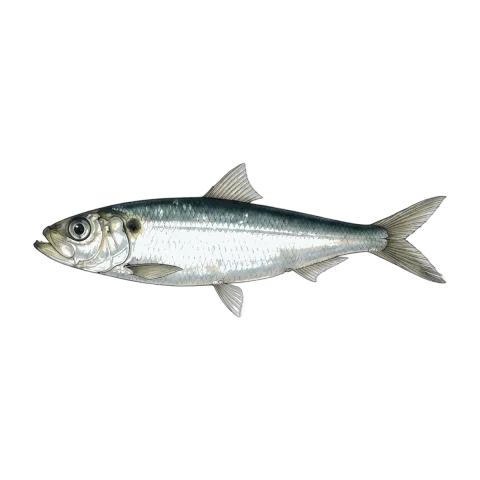
01
Sardine
- Surfcasting
Elongated silvery baitfish body releases strong scent trails.
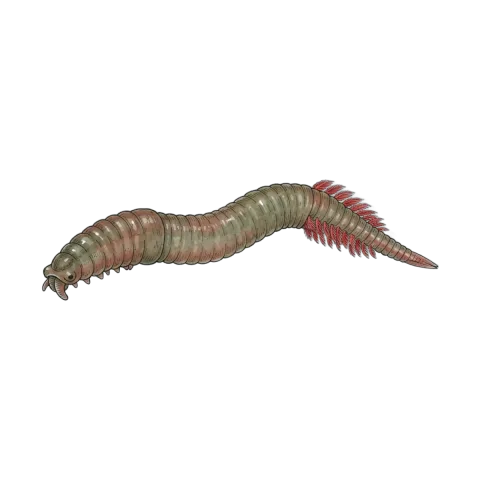
02
Lugworm
- Surfcasting
Fleshy, segmented body provides substantial scent and natural appeal for bottom fish.
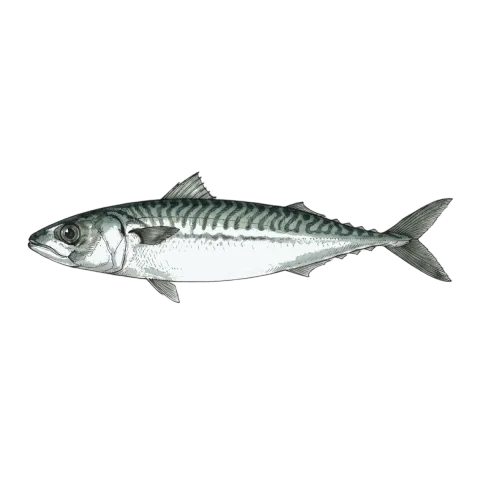
03
Mackerel
- Bottom Fishing
Distinctive wavy dorsal stripes provide high contrast and flash underwater.
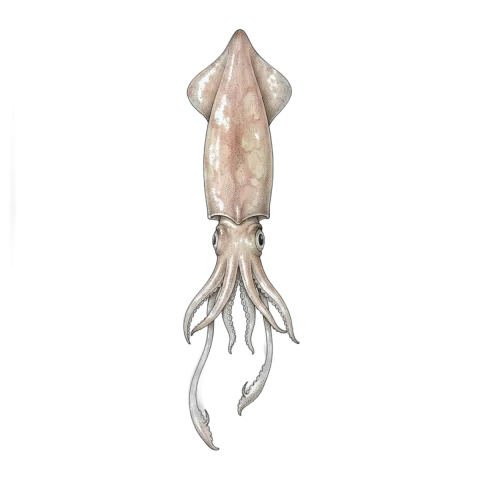
04
Squid
- Bottom Fishing
Elongated muscular body holds internal organs and secretes scent in the water.
Diet and behavior of Serpent eel
-
Diet
Top predator -
Hunts
Night -
Feeds over
Soft bottom
Prey and predators of Serpent eel
Prey is what Serpent eel eats. Predators are the animals that eat it.
That is how it feeds, and how it is hunted.
Predators
What hunts it
Fish
Where Serpent eel lives
Lives on or just above the bottom. Work jigs, bait, and lures along the seabed.
1–300 m

Estuary
Where this species lives
Serpent eel photos for identification
Compare these photos with the catalog plate to identify the species.
Where to fish for Serpent eel
Mapped fishing spots where Serpent eel is recorded — open a pin for access and methods.
