How to catch Tiete tetra
Brycon insignis Steindachner, 1877
About Tiete tetra fishing
The tiete tetra is a freshwater ray-finned fish belonging to the family bryconidae, featuring a fusiform body shape with silvery scales and a dark back. Endemic to southeastern Brazil, it inhabits clear, fast-flowing rivers and streams within benthopelagic zones. Juveniles feed primarily on insects and small fish, whereas adults transition to a largely frugivorous and herbivorous diet consisting of fallen fruits, seeds, and vegetation. This species undertakes upstream spawning migrations and is historically valued by local fisheries, though it currently faces severe population declines and threatened status due to habitat degradation.
-
Difficulty
Medium
-
Habitat
Freshwater
-
Season
Spring, Summer, Autumn, Winter

Lateral Stripe
Prominent dark mid-lateral stripe running from head to caudal fin base.
Adipose Fin
Small fleshy adipose fin located just before the caudal peduncle.
Visible Teeth
Strong multicuspid teeth visible on the upper and lower jaws.
Tiete tetra fishing facts
Characteristics
-
Typical size
36.9 cm SL -
Typical weight
0.2 kg (max 0.8 kg ) -
Body shape
Fusiform / Normal -
Vulnerability score
28.8
Best hours
-
Low
Dawn
First light
-
Peak
Morning
After sunrise
-
Low
Midday
High sun
-
Active
Afternoon
Late day
-
Peak
Dusk
Last light
-
Low
Night
After dark
When to fish for Tiete tetra
How to catch Tiete tetra
Tips for catching Tiete tetra
Successful angling for this energetic river dweller relies on presenting offerings that match its natural seasonal diet of fallen fruits, surface insects, and small forage fish. Fly anglers achieve great success using dry flies, terrestrial imitations, and fruit patterns drifted near overhanging riparian vegetation or turbulent riffles. When spinning or trolling clear runs, small spoons, minnow plugs, and feathered spinners work exceptionally well. Live baits fished cautiously under a float near rocky outcrops or fast water also draw steady strikes, particularly during warmer months when the fish are most active near the surface.
Other names for Tiete tetra
Local and alternate names anglers use for Tiete tetra.
-
Tiete tetra
Best equipment to catch Tiete tetra
Compare fishing methods for Tiete tetra — sized kit for each technique.
Note: Typical fish is 0.2 kg Our algorithm will suggest the best equipment for you based on this weight.
Fly Fishing
Presenting artificial flies with a fly rod and weighted line.
85% Effectiveness
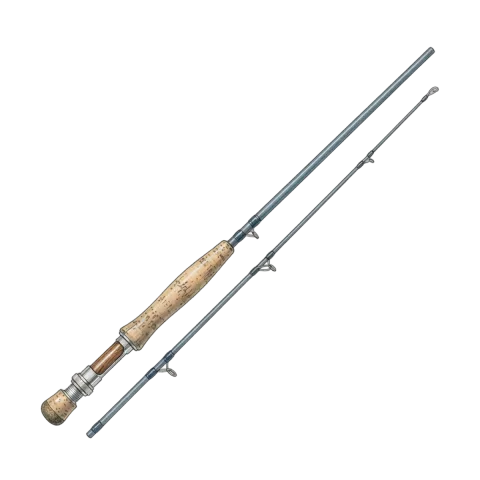
Rod
Fly rod
A fly rod is a fishing rod sized by line weight, with a fly reel seat. The fly line, not a heavy lure, loads the blank.
Sized for a typical fish
2.44 m · 3wt
- Reel seat
- Fly
- Form factor
- Multi-piece
- Action
- Moderate-fast
- Grip
- Cork
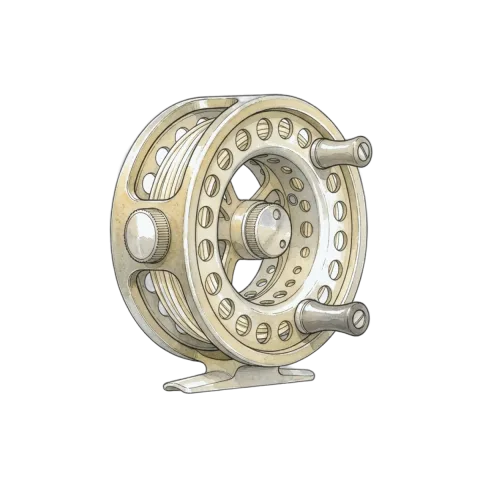
Reel
Fly reel
A fly reel is a large-arbor drum that stores backing and fly line. Drag is a disc; the reel does not cast the fly.
Sized for a typical fish
2 kg drag · 3wt
- Spool
- Drum
- Mount
- Under
- Drag
- Disc
- Retrieve
- Manual
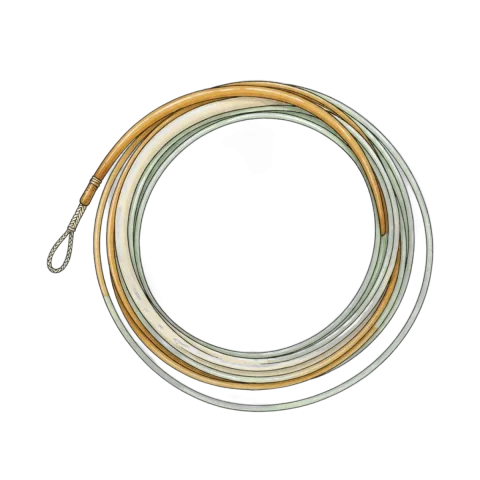
Line
Fly line
Fly line is the weighted shooting line that carries a near-weightless fly. Match it by weight class to the fly rod, not by kilo rating.
Sized for a typical fish
3wt
- Visibility
- Medium
- Abrasion
- Medium
- Stretch
- Low
- Sink rate
- Slow
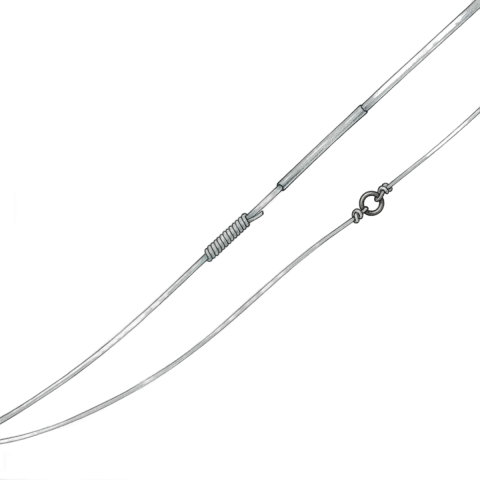
Leader
Tippet
Tippet is the fine, replaceable end of a fly leader, sized in X so you can match the fly and the fish.
Sized for a typical fish
1.6 kg · 0.13 mm · 75 cm · 6X
- Visibility
- Medium
- Abrasion
- Medium
- Stretch
- Medium
- Sink rate
- Slow
Spinning
Casting and retrieving lures with a spinning rod and reel.
80% Effectiveness

Rod
Spinning rod
A spinning rod is a fishing rod built to carry a spinning reel under the blank. You cast lures and light baits with it from shore or a boat.
Sized for a typical fish
ultralight · 1.8 m
- Reel seat
- Spinning
- Form factor
- Multi-piece
- Action
- Fast
- Grip
- EVA

Reel
Spinning reel
A spinning reel hangs under the fishing rod and is the default reel for casting lures and light baits. Line peels off an open spool with a bail.
Sized for a typical fish
1000 · 3 kg drag · 185 g
- Spool
- Fixed
- Mount
- Under
- Drag
- Front
- Retrieve
- Manual
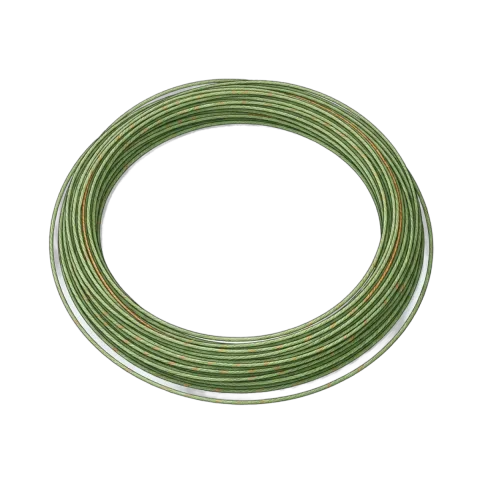
Line
Braided line
Braided fishing line is the thin, no-stretch main for long casts, jigging, and feeling every tick on the retrieve.
Sized for a typical fish
6 kg · 0.1 mm
- Visibility
- High
- Abrasion
- Low
- Stretch
- None
- Sink rate
- Floats

Leader
Fluorocarbon leader
A fluorocarbon leader is the clear, fast-sinking join between a visible main line and the lure or hook.
Sized for a typical fish
7 kg · 0.3 mm · 90 cm
- Visibility
- Very low
- Abrasion
- High
- Stretch
- Low
- Sink rate
- Fast
Float Fishing
Suspending bait beneath a float at a controlled depth.
70% Effectiveness
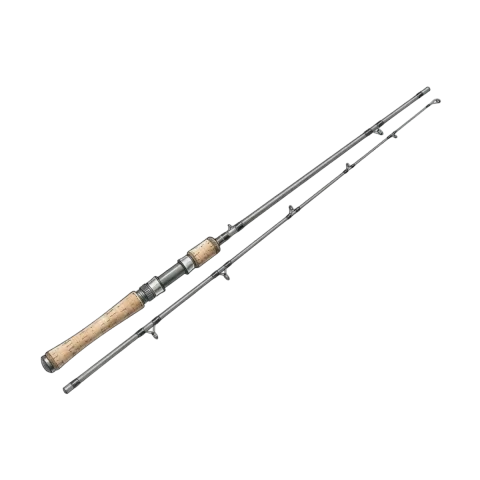
Rod
Float rod
A float rod is the all-round fishing rod for a float in rivers and still water, a step down in length from match.
Sized for a typical fish
light · 3.6 m
- Reel seat
- Spinning
- Form factor
- Multi-piece
- Action
- Moderate
- Grip
- Cork
Reel
Spinning reel
A spinning reel hangs under the fishing rod and is the default reel for casting lures and light baits. Line peels off an open spool with a bail.
Sized for a typical fish
1000 · 3 kg drag · 185 g
- Spool
- Fixed
- Mount
- Under
- Drag
- Front
- Retrieve
- Manual

Line
Monofilament line
Monofilament fishing line is the everyday main line: easy to knot, cheap to replace, and stretchy enough to forgive a hard strike.
Sized for a typical fish
1.3 kg · 0.125 mm
- Visibility
- Medium
- Abrasion
- Medium
- Stretch
- High
- Sink rate
- Slow
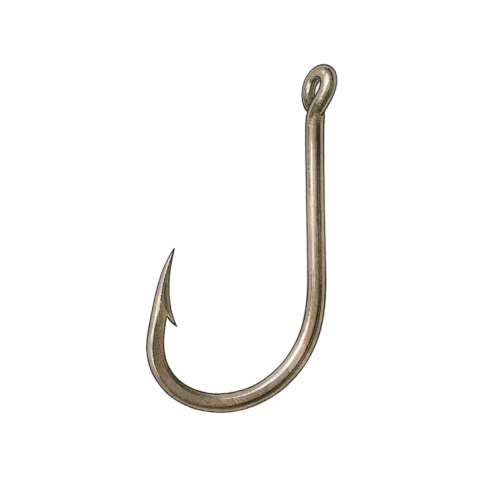
Hook
J-hook
A J-hook is the classic J-bend fishing hook for bait. You set it with a strike. Sizes are tokens such as 12 or 1/0.
Sized for a typical fish
12
- Points
- 1
- Offset
- No
- Barbed
- Yes
- Gap
- Standard
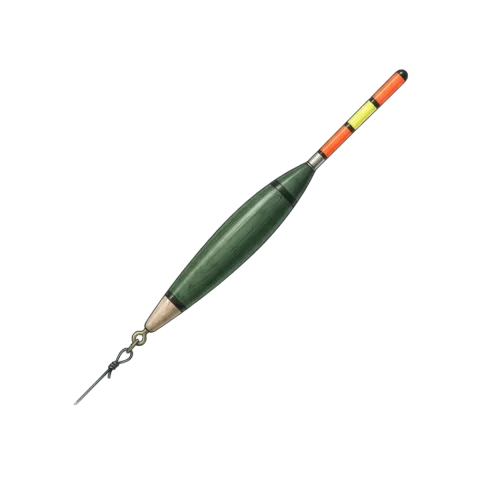
Float
Waggler
A waggler is a bottom-only attachment float for stillwaters and slow rivers. You shot it down and watch the antenna.
Sized for a typical fish
4 g
- Attachment
- Fixed
- Habitats
- Freshwater
- Methods
- Float Fishing
Trolling
Drawing lures or baits behind a moving boat.
65% Effectiveness
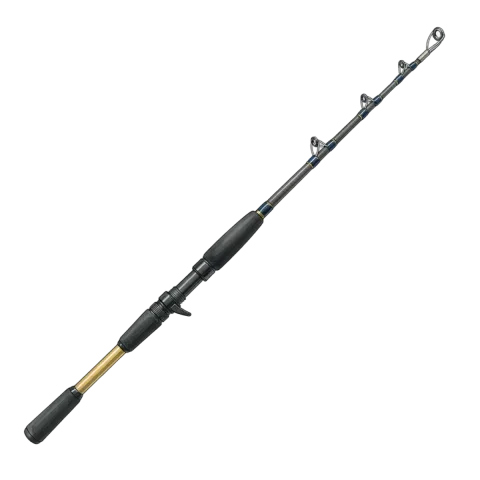
Rod
Trolling rod
A trolling rod is built to sit in a holder and pull a lure or bait at speed. Moderate action so the rod, not the reel, plays the fish.
Sized for a typical fish
medium · 1.83 m
- Reel seat
- Casting
- Form factor
- One-piece
- Action
- Moderate
- Grip
- EVA
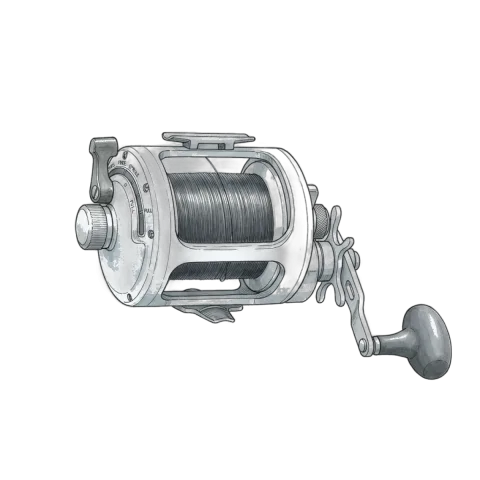
Reel
Trolling reel
A trolling reel is the dedicated lever-drag fishing reel for pulling lures behind a boat, often in a holder all day.
Sized for a typical fish
20 · 15 kg drag
- Spool
- Revolving
- Mount
- Over
- Drag
- Lever
- Retrieve
- Manual
Line
Braided line
Braided fishing line is the thin, no-stretch main for long casts, jigging, and feeling every tick on the retrieve.
Sized for a typical fish
6 kg · 0.1 mm
- Visibility
- High
- Abrasion
- Low
- Stretch
- None
- Sink rate
- Floats
Leader
Fluorocarbon leader
A fluorocarbon leader is the clear, fast-sinking join between a visible main line and the lure or hook.
Sized for a typical fish
7 kg · 0.3 mm · 90 cm
- Visibility
- Very low
- Abrasion
- High
- Stretch
- Low
- Sink rate
- Fast
Best lures and baits for Tiete tetra
Ranked lures and natural baits from every method, best first.
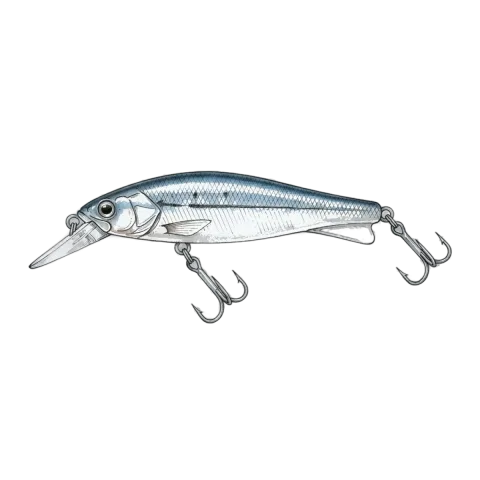
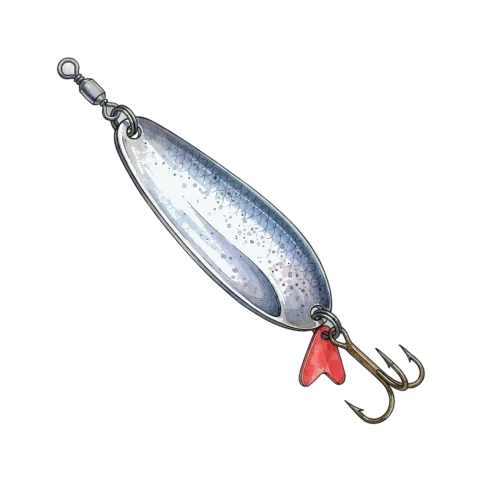
02
Spoon
- Spinning
- Trolling
A metal flutter bait for spinning, trolling, and ice.
03
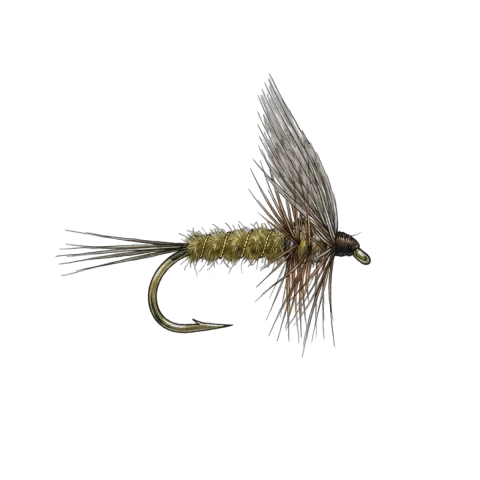
Dry fly
- Fly Fishing
A floating fly fished on the surface during a hatch.
04
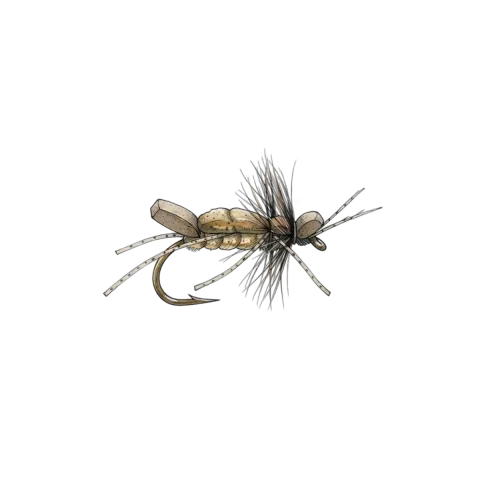
Terrestrial
- Fly Fishing
A land-insect fly: hoppers, ants, and beetles.
06
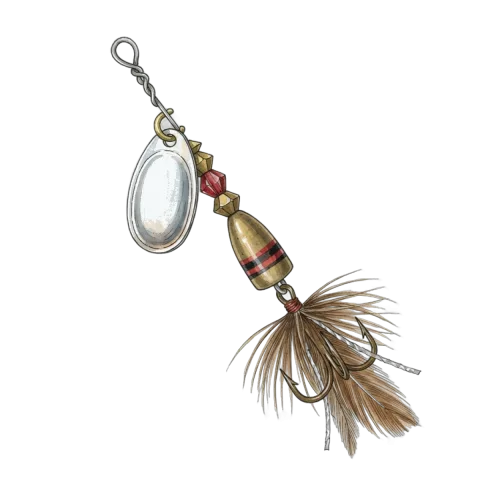
Inline spinner
- Spinning
An inline spinner with a blade that flashes on a straight retrieve.
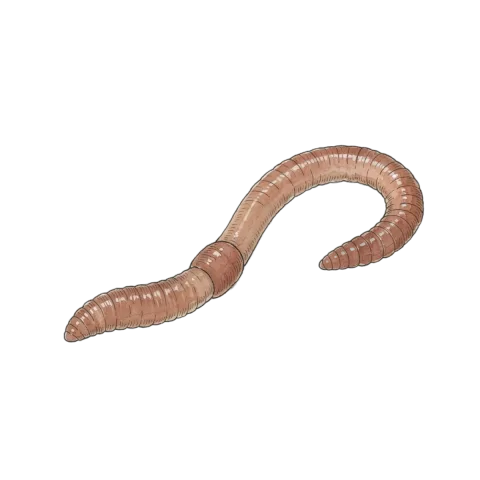
07
Live baitfish
- Float Fishing
Elongated segmented worm body provides natural movement to attract fish.
How Tiete tetra migrates — Potamodromous
Migrates within rivers and lakes only. Fish upstream runs and seasonal lake movements, not saltwater.
1 Eggs
Upstream
Laid on gravel or weed upstream or in flooded shallows.
2 Larvae
→ Main river or lake
Fry drift or swim down to slower water.
3 Adults
Main river or lake
Feed in the main river or lake.
4 Spawners
→ Upstream
Move upstream or into the shallows to spawn.
The whole cycle stays in fresh water.
Hover or tap a number to read each stage.
Diet and behavior of Tiete tetra
-
Diet
Omnivore -
Hunts
Morning · Dusk
Where Tiete tetra lives
Lives near the bottom but swims in the water just above it. Cover the lower column, not only the mud.

Where this species lives
Tiete tetra photos for identification
Compare these photos with the catalog plate to identify the species.