Line
Fluorocarbon line
How to fish a fluorocarbon line for Spinning, Float Fishing, Bottom Fishing, Eging, Popping, Live Baiting, Drift Fishing.
Characteristics
-
Visibility
Very low
-
Abrasion
High
-
Stretch
Low
-
Sink rate
Fast
-
Memory
Medium
-
Habitats
Freshwater, Saltwater, Brackish
-
Methods
Spinning, Float Fishing, Bottom Fishing, Eging, Popping, Live Baiting, Drift Fishing
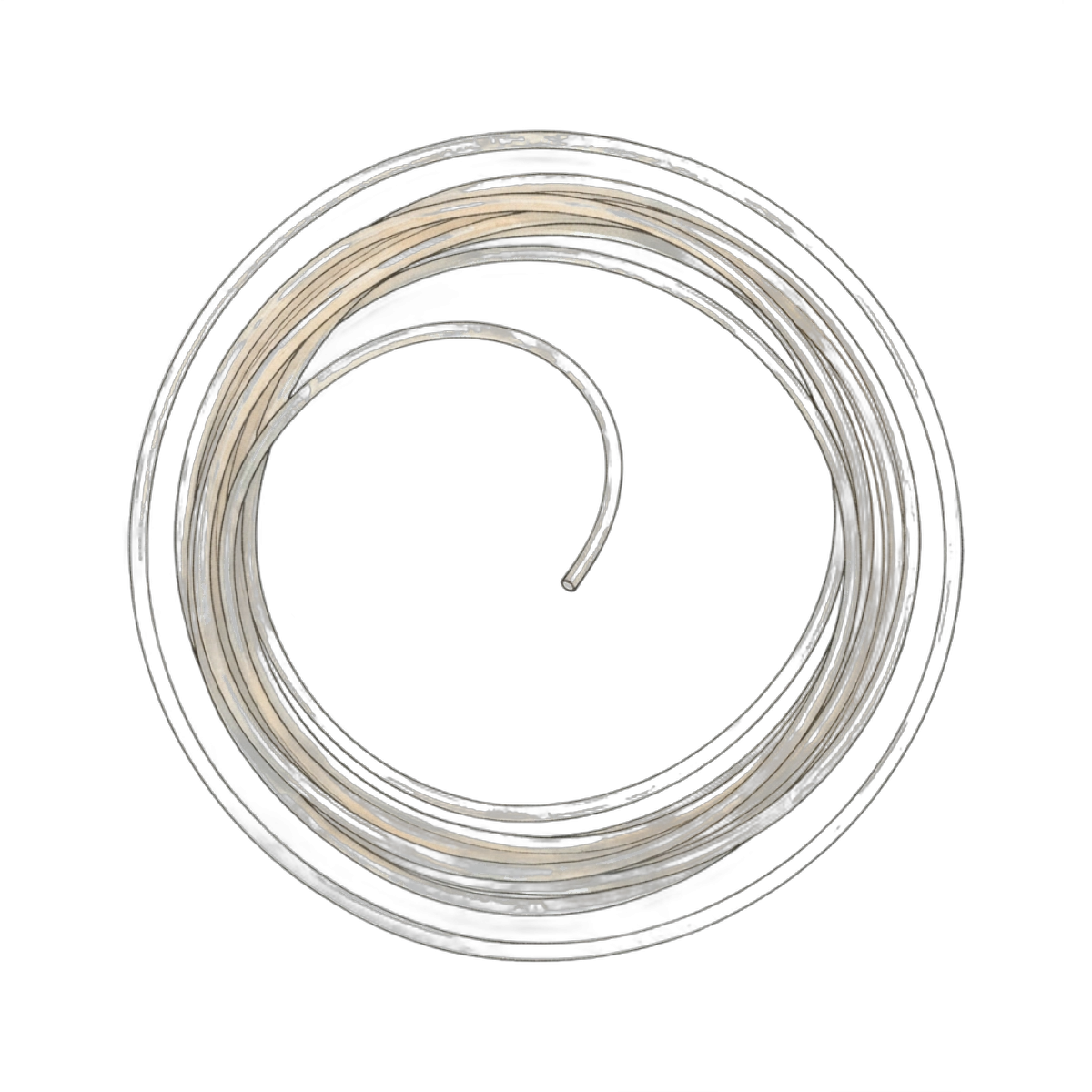
Clear fluorocarbon
Invisible refractive index in water minimizes fish detection.
Stiff body
Dense extruded polymer structure provides abrasion resistance.
What fish can you catch with a fluorocarbon line?


What is a fluorocarbon line used for?
Fluorocarbon fishing line is the low-visibility main for clear water. It sinks fast, so lures and baits stay down without extra lead.
How is a fluorocarbon line different from similar gear?
It is harder to see and stretches less than monofilament, with more scrape resistance around rock and shell. It is stiffer and costs more than copolymer.
When should you use a fluorocarbon line?
Fish it as a spinning or eging main on clear lakes and coasts, or as the last metres before a wary fish. Skip it when the lure must float for topwater.
What problems does a fluorocarbon line solve?
It puts a bait or lure in front of pressured fish that have learned to ignore a shiny main line.
Fluorocarbon line size chart
Common sizes and ratings for this part of the kit.
- 0.173 mm 1.8 kg
- 0.2 mm 4 kg
- 0.25 mm 5.5 kg
- 0.3 mm 7 kg
- 0.35 mm 9 kg
- 0.4 mm 12 kg
- 0.847 mm 36.3 kg
- 1.087 mm 59 kg
- 1.885 mm 136.1 kg